Preimplantation Genetic Testing for Structural Rearrangements, or PGT-SR, is designed for individuals who carry chromosomal rearrangements such as translocations or inversions. These rearrangements may increase the risk of embryos with missing or duplicated genetic material, which may result in miscarriage
PGT-SR helps identify embryos with the correct amount of chromosome material prior to transfer.
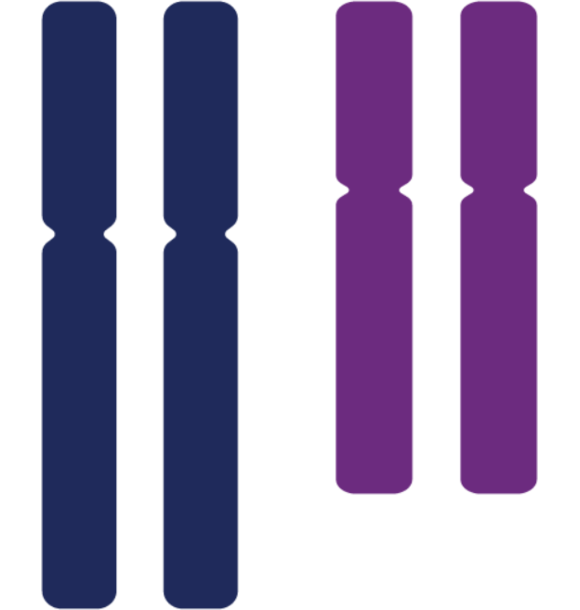
Normal
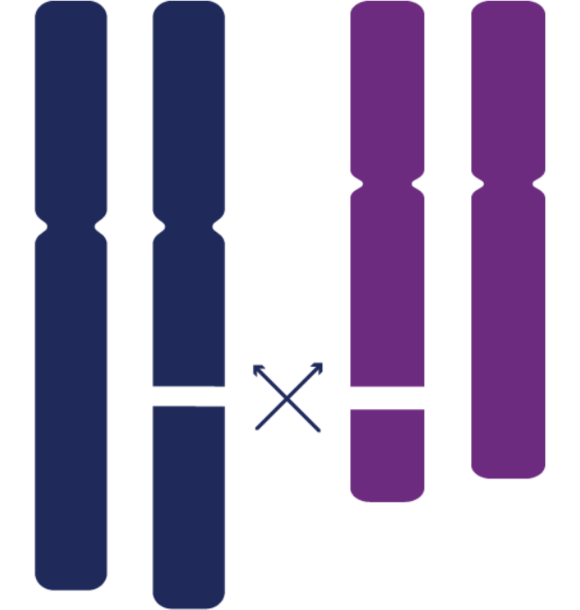
Balanced
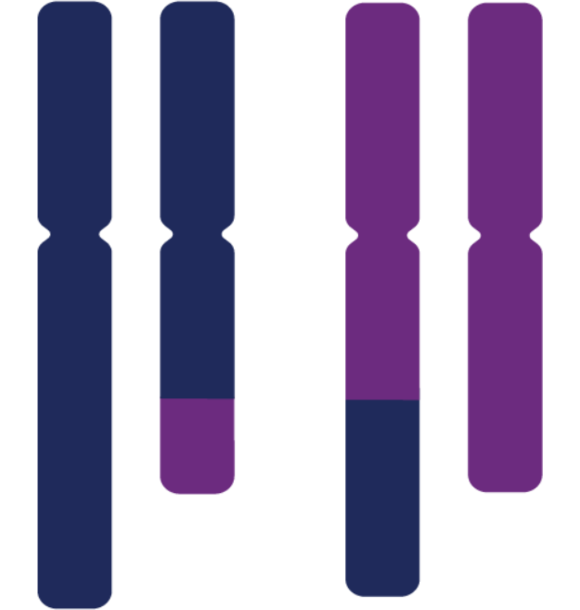
Unbalanced
 What Is a Chromosomal Rearrangement?
Chromosomal rearrangements are structural changes in chromosomes. Many carriers are healthy and only become aware of their status during fertility investigations.
Common types include:
- Reciprocal translocations
- Robertsonian translocations
- Inversions
Carriers may produce embryos with normal, balanced, or unbalanced chromosomal arrangements.
Who Should Consider PGT-SR?
PGT-SR may be appropriate if:
- You are a known carrier of a chromosomal rearrangement
- You have experienced recurrent miscarriage
- You have had a previous pregnancy affected by a chromosomal imbalance
- A confirmed karyotype is required before testing
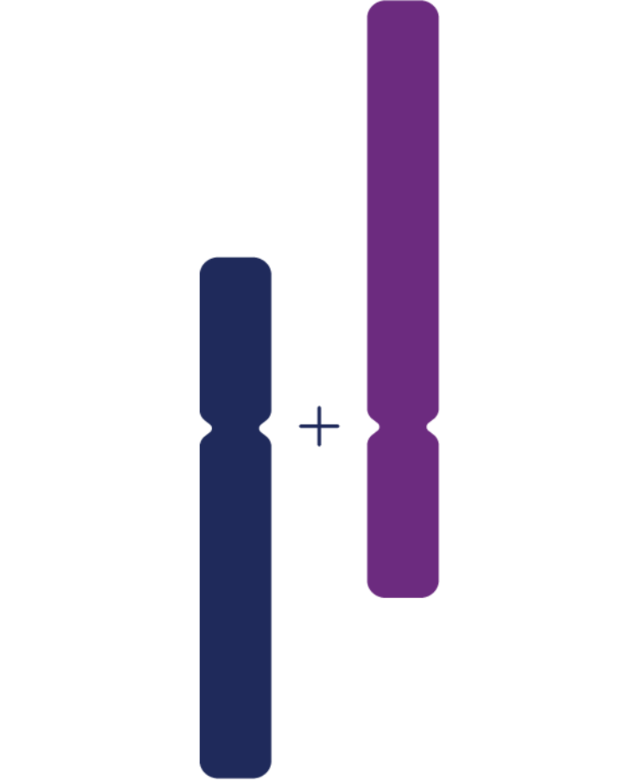
Normal Nonhomologous,
Acrocentric Chromosomes
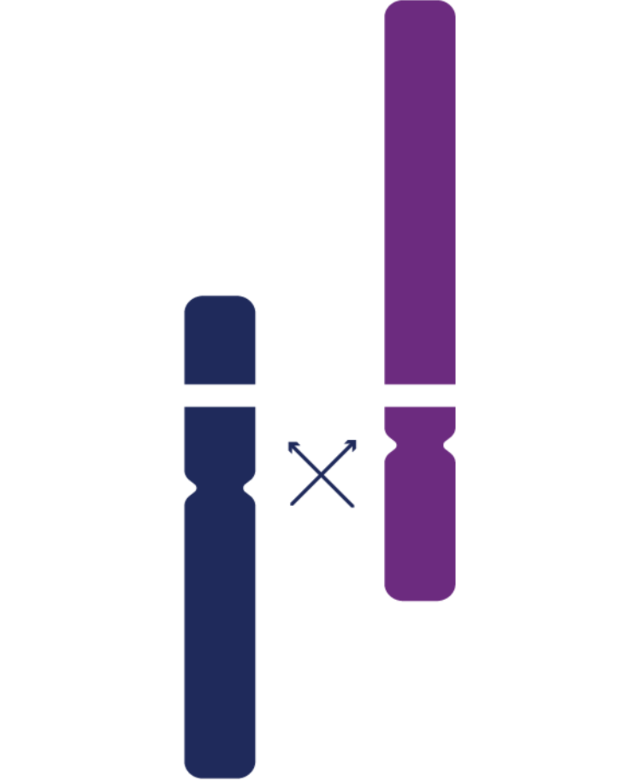
Breakage and Rejoining
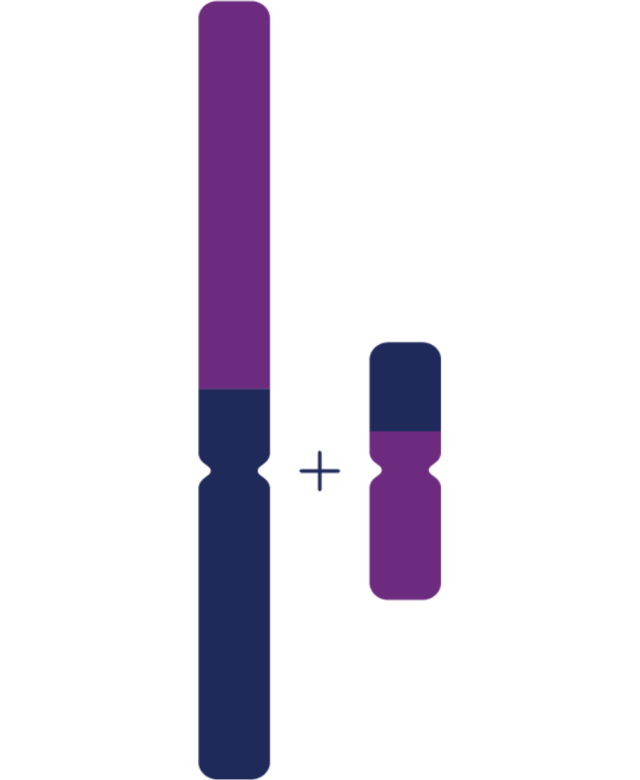
Robertsonian Translocation
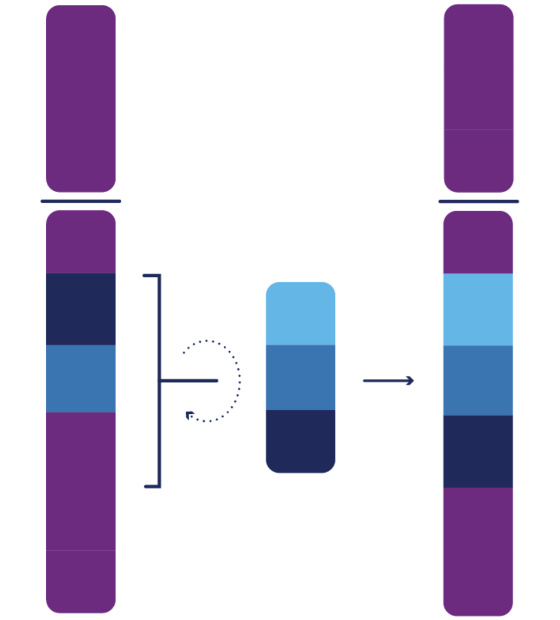
Paracentric Inversion
(Does not include centromere)
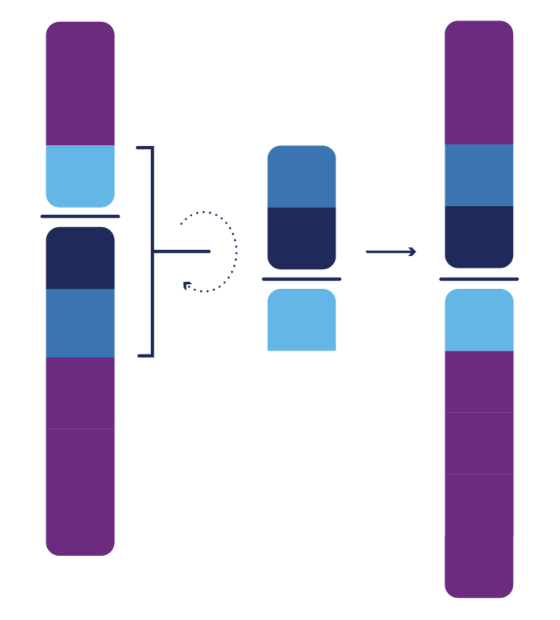
Pericentric Inversion
(Includes centromere)
How the PGT-SR Process Works
Most cases follow a similar process to PGT-A. Embryos are biopsied and analysed to determine if the correct amount of chromosome material is present.
In some complex cases, a PGT-M style customised approach may be required.
PGT-SR cannot distinguish between a balanced carrier and a non-carrier embryo.
Frequently Asked Questions
Find answers to common questions about PGT-SR: