 Safeguard your baby’s future health
Stem cell banking is a way of preserving your baby’s umbilical cord blood and cord tissue at birth for potential future medical use.
Netcells has been operating in South Africa for over 21 years, providing families with trusted stem cell banking services. When your baby is born, their umbilical cord blood and cord tissue can be collected and cryo preserved. Cryo saving refers to the process of collecting and preserving stem cells from your newborn’s umbilical cord blood and/or tissue. Like all insurance, you hope you never have to use it. But if you do, you have immediate access rather than joining a donor waiting list.
We also make it easy to plan for. Choose a flexible, interest-free payment plan that suits your budget, and once your plan is paid off, there are no ongoing monthly storage fees.
To understand how to secure stem cell banking before your baby’s birth, view our Ordering Process. You can also explore our Pricing Calculator options to see which plan suits your family.
Interest-free payment plans · No inflationary increases · No ongoing monthly fees
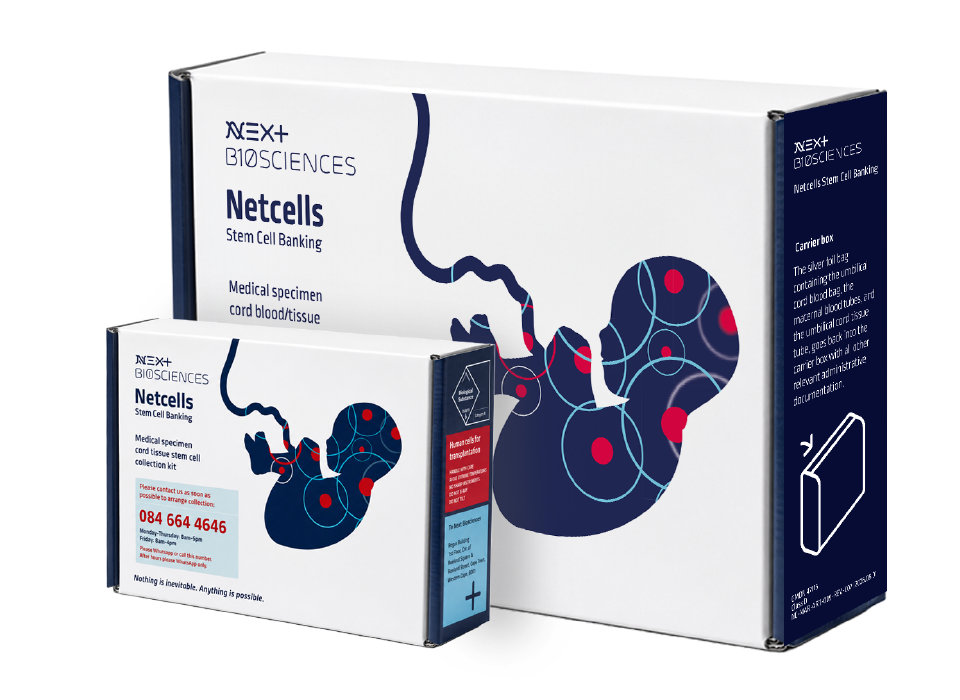
What are Stem Cells?
Stem cells are often described as the building blocks of life. They are the cells that form in early development and have the ability to develop into different specialised cell types in the body.
Umbilical cord blood and cord tissue are valuable sources of stem cells because:
- Collection at birth is safe and painless to both mother and baby
- They are biologically young
- They would otherwise be discarded as medical waste
- Collection does not raise ethical or religious concerns
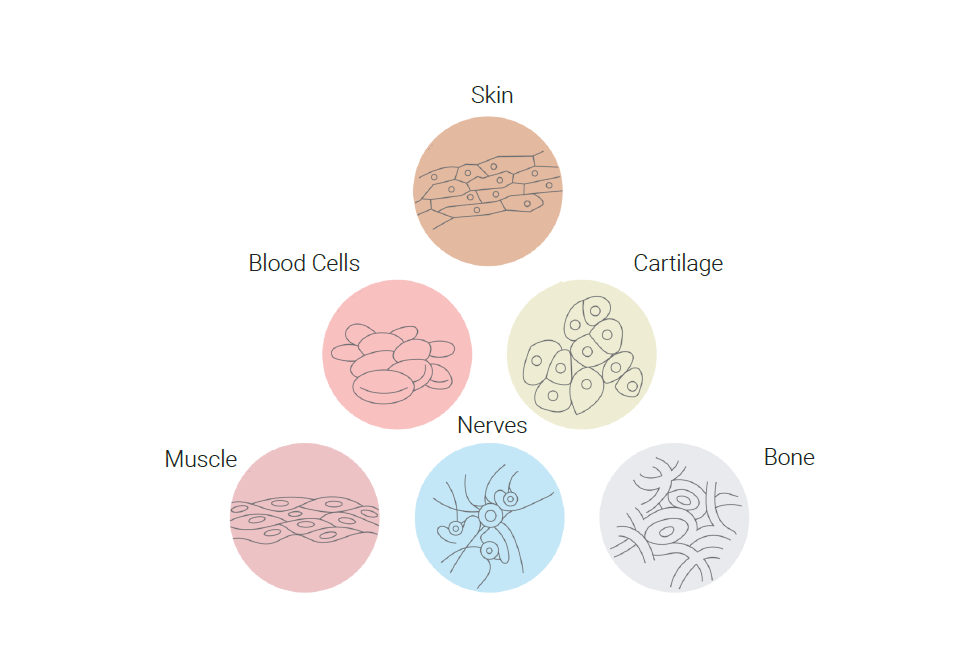
These are the different cell types in your body
Ordering Process
01

Registration
Register online via the easy-to-use online registration platform, choose the payment option that suits your family, and make payment for the registration fee.
02

Kit is delivered
We will deliver a Collection Kit to you and one of our client services team members will take you through the process to ensure you are properly informed.
03

Take kit to hospital
You take the Collection Kit with you to the hospital for your Gynae/Midwife to do the collection.
04

Draw Maternal Bloods
Before the birth of your baby, ensure a nurse had come to draw your maternal bloods.
05
Doctor does collections
At the birth your Gynae/Midwife will do the collection (there are collection protocols in the collection kit).
06

Package the kit
Ensure that everything has been packaged correctly and documents have been completed.
07

Arrange collection
Contact the Netcells Client Services Team on 084 664 4646 to arrange for the collection kit to be collected and brought to the lab for processing.
08

Sample is processed
The stem cells are processed in our internationally accredited laboratory.
09

Stem cells are stored
Cryogenically frozen and stored in the vapour phase of liquid nitrogen in state-of-the-art storage tanks.
10

Certificate is sent
You will receive an email with your results certificate and a storage certificate once full payment has been received.
Umbilical cord blood and umbilical cord tissue are two distinct sources of stem cells, each with its own unique properties and therapeutic potential. Cord blood contains haematopoietic stem cells (HSCs), which play a vital role in supporting blood and immune system function, while cord tissue contains mesenchymal stem cells (MSCs), which are associated with tissue repair and regenerative medicine. Understanding the difference between these two sources can help you make a more informed decision about what to store for your family’s future.
| Category | Umbilical Cord Tissue | Umbilical Cord Blood |
|---|---|---|
| What is collected | A section of the umbilical cord tissue | Blood present in the umbilical cord after birth |
| Type of stem cells | Mesenchymal stem cells (MSC) | Haematopoietic stem cells (HSC) |
| Primary role of stem cells | Support tissue repair, healing, and emerging therapies in regenerative medicine | Support blood and immune system regulations |
| Commonly associated with | Orthopaedic, cartilage, tissue repair therapies and autoimmune disease therapies | Blood-related conditions and immune support |
| Cell characteristics | Can develop into bone, cartilage, fat and connective tissue cells | Form blood and immune cells |
| Who can use them | Cells are immune-privileged, no type matching required | Cells are immunogenic, requires successful HLA-type matching for transplantation |
| Availability after birth | One-time opportunity to collect | One-time opportunity to collect |
| Usage after storage | Multiple (depending on treatment requirements) | One-time usage |
What is Cord Blood?
Your baby’s umbilical cord blood contains blood forming stem cells. These stem cells are currently used in the treatment of blood-related disorders and immune conditions.
They are used in the regeneration of bone marrow, helping to replace diseased or damaged cells with healthy new cells. This allows doctors to rebuild a person’s blood and immune system in certain medical treatments.
If you would like to understand how cord blood is used in medical settings, read more about the Uses for Stem Cells.
How is Umbilical Cord Blood Collected?

The umbilical cord is clamped and cut after birth.
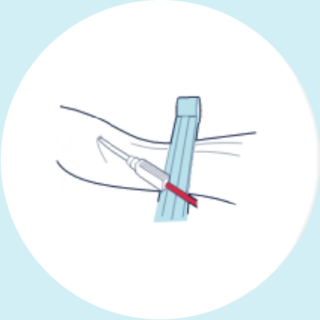
A sterile needle is inserted into the umbilical cord vein and the blood is collected into a sterile medical bag.
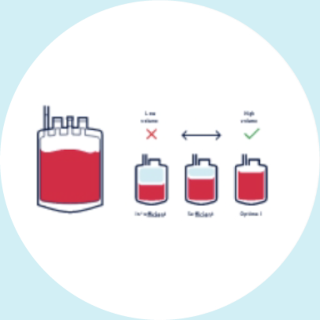
Between 100 and 150ml of cord blood is needed for successful storage.
The collection process is quick, safe and painless for both mother and baby. If your healthcare provider is not familiar with the process, Netcells can provide detailed guidance and instructional material.
How are Stem Cells Stored?

After collection, the stem cells are transported to our specialised laboratory facility.

There, they undergo processing and cryopreservation, a method that uses ultralow temperatures to maintain cell viability.

The stem cells are stored in the vapour phase of liquid nitrogen in specialised storage tanks, which are serviced and monitored annually.

- Temperature monitored
- Backup power systems
- Controlled access
Flexible Payment Terms
Safeguarding your baby's stem cells should fit your family's budget, not strain it. That's why we've kept our pricing simple, transparent and interest-free — with no ongoing monthly charges for the remainder of your storage term.
Pay your way
Pay upfront or spread the cost with a flexible, interest-free payment plan – with no hidden costs.
Simple, transparent pricing
Your total price is made up of three fees — Registration, Processing and Storage. No unexpected costs, and our pricing calculator lets you build the option that best suits your budget.
No ongoing monthly charges
Your Registration, Processing and Storage fees cover your full 10- or 20-year storage term. Once your payment plan is complete, there are no further monthly fees to pay.
See what works for your family with our easy, transparent pricing calculator.
What is Umbilical Cord Tissue?
Umbilical cord tissue contains Mesenchymal Stem Cells (MSCs) that form connective tissues in the body, including skin, bone, muscle, cartilage, nerve and fat.
These cells are being used in emerging therapies for their regenerative potential in a wide range of medical applications and clinical trials.
Collection at birth is ideal because:
- The cells are biologically young
- The process is painless
- Harvesting later in life is more invasive
How is Umbilical Cord Tissue Collected?

Cord tissue is collected by your gynaecologist, doctor or midwife once baby is safely delivered.

After cord blood collection and delivery of the placenta, a 10 to 15 cm section of the umbilical cord is cleaned and cut.

The tissue is placed into a sterile collection tube and secured for transport back to the laboratory.
Frequently Asked Questions
Find answers to common questions about Stem Cell Banking: