
More than half of first-trimester miscarriages are caused
by chromosomal abnormalities.1
 What Is POCScreen?
POCScreen is a miscarriage testing solution that analyses tissue from a pregnancy loss (Products Of Conception or POC) to evaluate the presence of abnormal chromosome numbers.
The test helps determine whether a chromosomal abnormality may have contributed to the miscarriage, providing answers after a loss and supporting informed reproductive planning. POCScreen also gives healthcare providers valuable insights for reproductive counselling and future pregnancy management.
Understanding Chromosomal Abnormalities
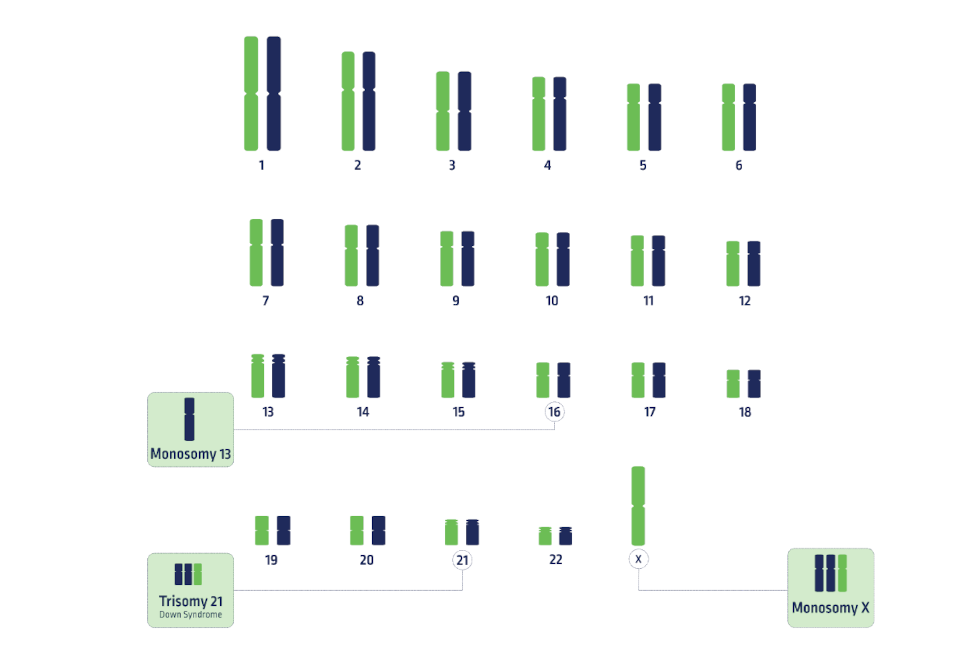
Humans typically have 23 pairs of chromosomes (46 in total) within almost every cell in the body. One chromosome of each pair comes from the mother and the other from the father.
Chromosomes 1 to 22 are numbered pairs, while the final pair are the sex chromosomes, which determine biological sex. Females usually have two X chromosomes, while males have one X and one Y chromosome.
A change in the number or structure of chromosomes can affect development and may result in miscarriage.
POCScreen can detect:
- Extra chromosomes (trisomy)
- Missing chromosomes (monosomy)
- Duplications or deletions (extra or missing chromosome segments)
These chromosomal changes are a common cause of pregnancy loss.

Who Should Consider POCScreen?
POCScreen may be recommended for:
- Couples who have experienced a pregnancy loss
- Individuals with recurrent miscarriages
- Patients seeking answers and clarity after miscarriage
- Healthcare providers needing information for reproductive counselling
Benefits of POCScreen Testing
POCScreen provides both clinical and emotional value by:

Helping explain the cause of miscarriage

Providing closure after pregnancy loss

Supporting reproductive counselling and future planning

Guiding next steps in fertility or pregnancy care
How POCScreen Works

Healthcare provider completes the Test Requisition Form (TRF)


Sample is collected from pregnancy tissue

Sample and TRF are sent to Next Biosciences

DNA sequencing (NGS) is performed
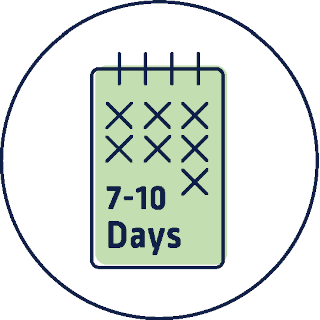
Results are available within 7–10 working days
Results and What They Mean
POCScreen results identify whether chromosomal abnormalities were present in the pregnancy tissue.
This information helps determine whether the miscarriage was likely caused by a genetic issue or if further investigation may be needed.
Results are shared with your healthcare provider, who will guide you through the findings and discuss next steps.

POCScreen is performed under the guidance of a healthcare professional.
Frequently Asked Questions
Find answers to common questions about POCScreen:
References
- Wapner et al. (2012) NEJM 367 (23): 2175-2184.
- Jeve et al. J Hum Reprod Sci. 2014 Jul-Sep; 7(3): 159–16